©2026 WEBRISE

April 10, 2025
Let's talk about how websites actually get noticed online. There are two main ways this happens, on-site SEO (what you control on your own website) and off-site SEO (what happens elsewhere on the internet that helps people find you). Both matter, but they work differently and require different approaches. Understanding this difference can help you focus your efforts where they'll make the most impact for your business.
On-site SEO refers to everything you can optimize directly on your website. This means writing clear content that answers real questions your customers have, using words they would actually search for. For example, if you're a plumber, you'd want to mention "emergency pipe repair" rather than just "plumbing services" because that's what people search for when they're in trouble.
You also need to make sure your pages load quickly (especially on phones where most searches happen these days) and organize your information with simple headings that guide visitors naturally through your content. Think of it like setting up a physical store. You want good lighting, clear signs, and products arranged so customers can find what they need without asking for help. The easier your website is to use, the longer people will stay, and the more likely they'll contact you.
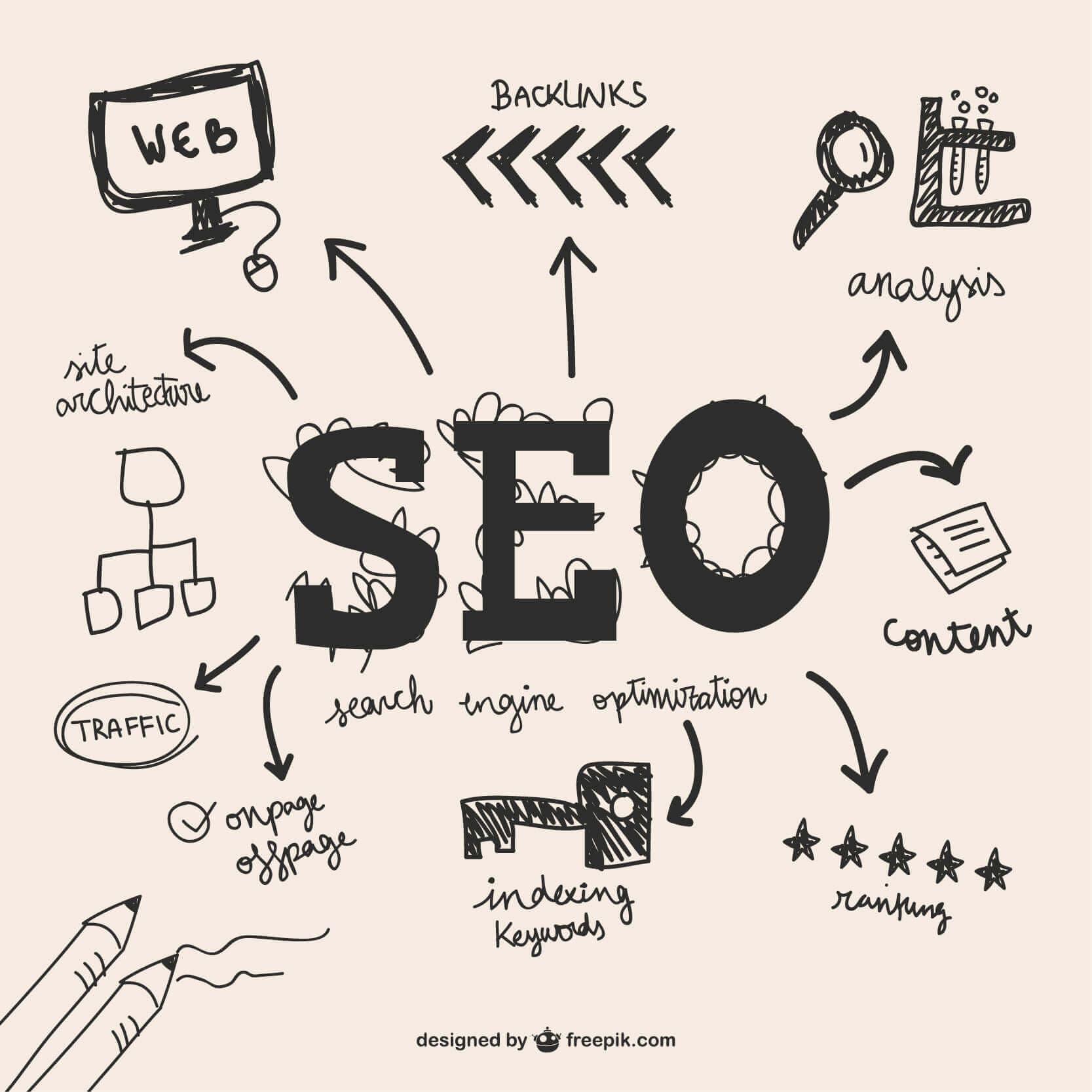
Off-site SEO involves all the factors outside your website that influence your visibility. This includes other websites talking about you or linking to you, which helps show search engines that people find your business valuable. When a local newspaper mentions your shop, when customers share your website on social media, or when you're listed in reputable business directories, these all act like recommendations for your business.
It's like word-of-mouth in the real world. If several people you trust recommend the same restaurant, you're more likely to try it. Search engines work the same way. The more quality mentions and links you have from other websites, especially from respected sources in your industry or local area, the more trustworthy your business appears to search engines.
"A local bakery improved their online visibility by first focusing on on-site SEO, making their website easier to use with clear photos of their cakes and simple ordering information. Then they worked on off-site SEO by getting featured in a neighborhood food blog and partnering with a nearby coffee shop that linked to their website. Within months, they saw more customers finding them through Google searches for 'birthday cakes near me' and 'best bakery in Oslo'. "
Having great on-site SEO isn't enough if no one knows about your website. Imagine having the best store in town but it's hidden down a back alley with no signs. And having strong off-site SEO won't help much if your website is confusing, slow, or doesn't show what makes you special when people click through.
The businesses that do best online pay attention to both aspects. They make their website welcoming and useful with clear information, good photos, and easy contact options (on-site SEO). At the same time, they build relationships in their community and industry that lead to mentions and links from other sites (off-site SEO). This combination tells search engines that not only is your website helpful, but other people think so too.